
Students at Ridgewood Elementary School are discovering how science, technology, engineering, and environmental stewardship can work together to address real-world issues through Habitat Heroes, a four-week after-school STEM program offered in partnership with the Washington Alliance for Better Schools (WABS).
Part of WABS' STEM4Good program, Habitat Heroes provides hands-on learning experiences that connect classroom concepts to authentic environmental challenges and STEM career pathways. Designed for students in grades 3-5, the program empowers students to explore how their creativity, curiosity, and problem-solving skills can make a positive difference in their communities.
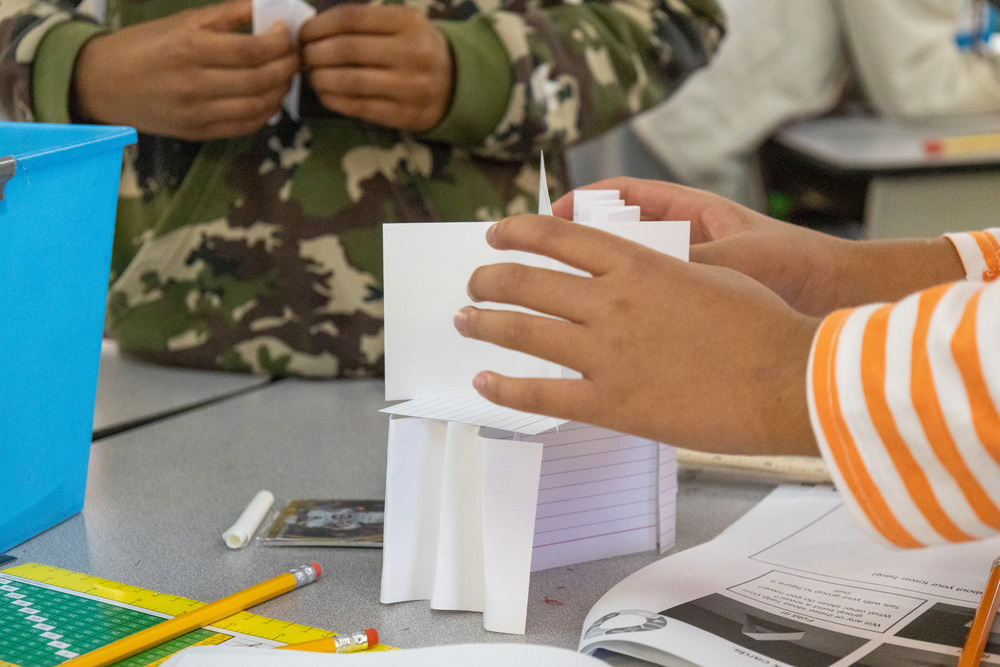
During a recent session, students learned about engineering as both a discipline and a career. Working in teams, they explored the engineering design process by learning how engineers empathize and ask questions, imagine and plan, create and test, improve, and share solutions. Students then put those concepts into action through a tower-building challenge using only index cards.
Over the course of the four-week program, students will tackle a local environmental challenge involving invasive American bullfrogs. Students will learn the difference between native and invasive species, design and test humane live traps, improve their prototypes based on results, and ultimately create habitat plans for relocated frogs.
"As a fifth-grade teacher, I have seen firsthand the tremendous value this program brings to our students," said Ridgewood Elementary teacher Steve Hoell. "They are not simply learning scientific facts; they are discovering how their knowledge and creativity can make a positive difference in the world."
The STEM4Good program is facilitated by industry volunteers who help students connect STEM learning to real careers while developing collaboration, communication, and critical-thinking skills.
"I have found the experience incredibly rewarding," said volunteer instructor and Boeing engineer Courtney Deeba. "It is inspiring to see students explore different career paths, develop new skills, and work collaboratively to solve problems."
Deeba hopes students leave the program with greater confidence in their abilities and a growing interest in STEM fields.
"My hope is that these experiences inspire students to pursue and continue exploring opportunities in STEM," Deeba said.
Programs like Habitat Heroes demonstrate the power of community partnerships in supporting student learning. Through collaboration with organizations like WABS and industry volunteers, students gain access to enriching experiences that help them explore future career possibilities while applying their learning in meaningful ways.
For Ridgewood students, Habitat Heroes is about more than building traps or learning about ecosystems. It is an opportunity to think critically, work together, and discover how they can help solve challenges facing their communities and environment.